Pets and Their Diets
Different pets have very different dietary needs. Dogs, cats, rabbits, and parrots all process food differently, and what is safe for one pet may not be safe for another pet. Understanding your pet's natural diet and sensitivities is the first step to keeping them healthy.
This section helps you learn about common household pets, their typical diets, and the kinds of foods that may be safe, unsafe, or should only be given occasionally. It also covers topics like portion size, common food risks, and how sensitive each pet may be to certain ingredients.
Select your pet below to explore foods that are safe to share, foods that should be limited, and foods that should be avoided.
-
 Dog
DogDogs are omnivores and can safely eat many fruits, vegetables, and cooked foods in moderation. However, some common ingredients like chocolate, grapes, onions, and xylitol are highly toxic to dogs.
-
 Cat
CatCats are obligate carnivores and rely heavily on animal protein in their diet. Many human foods are not appropriate for cats, and certain ingredients such as onions, garlic, and chocolate can be dangerous.
-
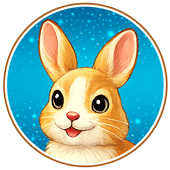 Rabbit
Rabbits are herbivores that require a diet rich in fiber, primarily from hay and leafy greens. Sugary fruits and many human foods should only be given occasionally and in small amounts.
-
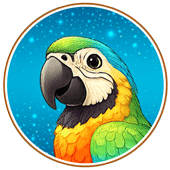 Parrot
Pet parrots eat a varied diet centered on quality pellets, vegetables, and limited fruit. Some human foods are unsafe for parrots, including avocado, chocolate, caffeine, alcohol, onion, and garlic.